Sewage Field Installation in Denver, CO
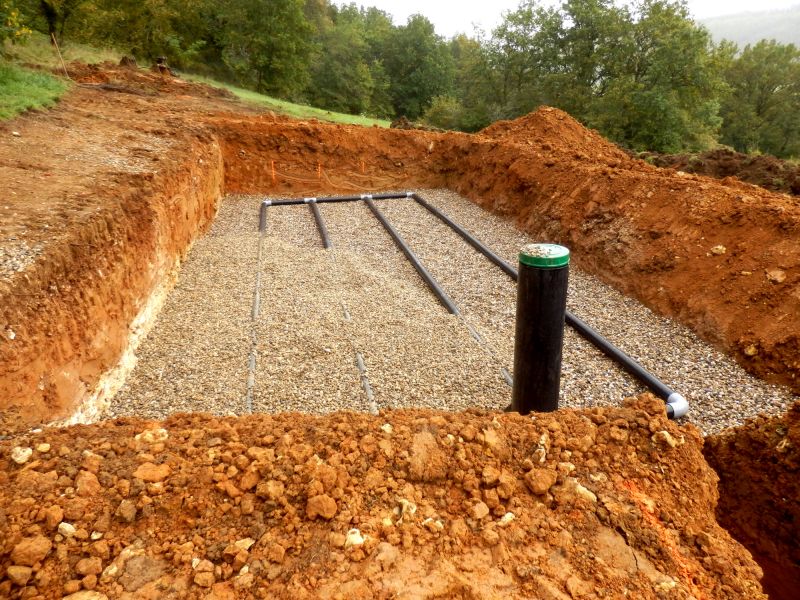
Sewage field installation services involve setting up underground systems that safely manage and dispose of wastewater from residential properties. These systems typically include septic tanks and drain fields, which work together to treat and disperse sewage efficiently. Homeowners may request this service when constructing a new property, replacing an outdated system, or expanding their current setup to accommodate additional living space or increased wastewater flow. It’s important for property owners to understand the scope of the installation process, site requirements, and local regulations to ensure the system functions properly and complies with standards.
Before requesting sewage field installation, property owners should consider factors such as soil type, property size, and accessibility of the installation site. Understanding the layout of the property and any existing infrastructure can help determine the most suitable location for the system. Additionally, knowing the capacity needs based on household size and usage patterns can influence the design and size of the sewage field. Clarifying these details in advance can facilitate a smooth installation process and help ensure the system operates effectively for years to come.
Many property owners in Denver, CO look into Sewage Field Installation for repairs, replacements, upgrades, and appearance-related improvements.
Sewage Field Design And Planning
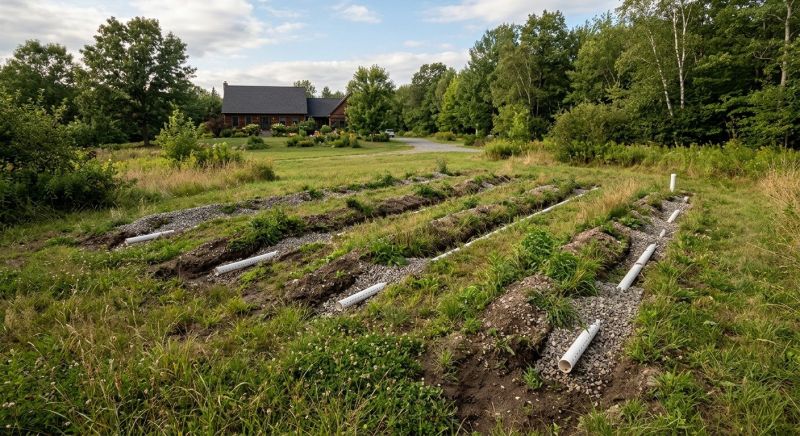
Proper planning ensures effective sewage disposal for residential and commercial properties in denver.
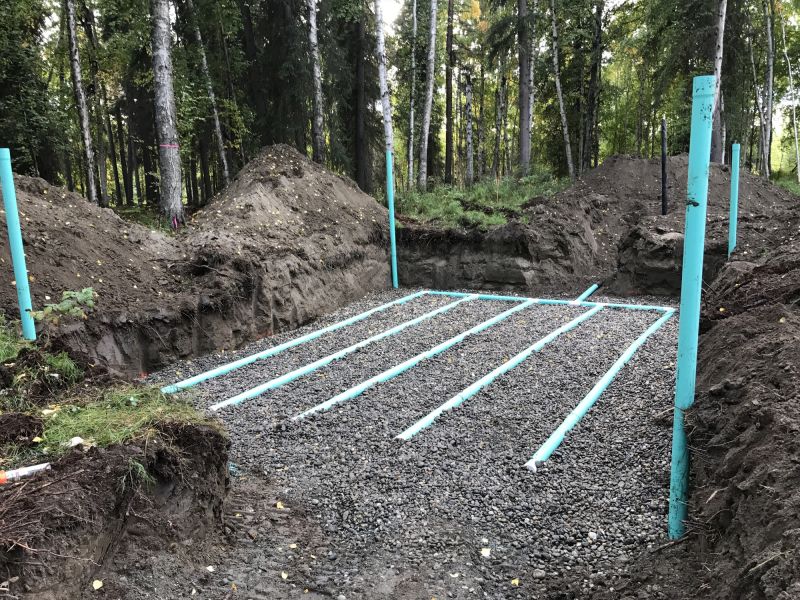
Sewage Field Installation And Setup
Professional installation involves preparing the site and installing the system to meet local regulations.
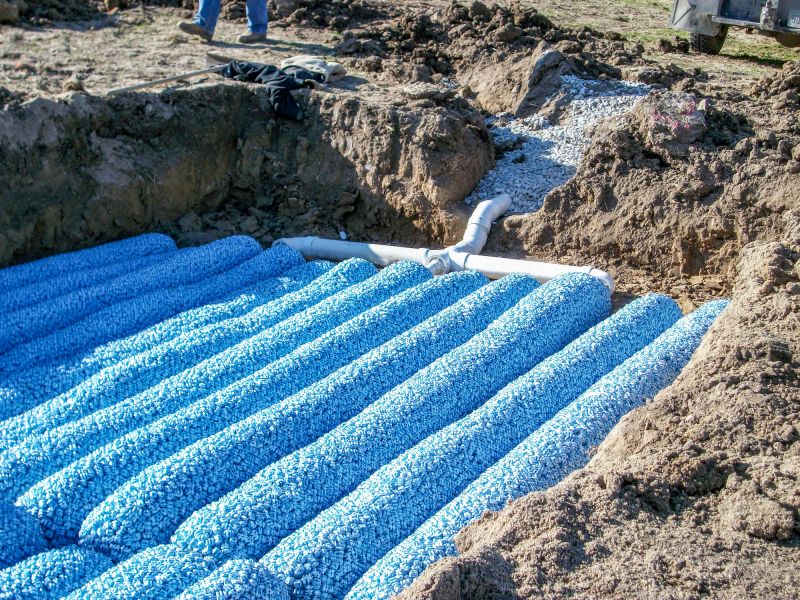
Maintenance And System Repairs
Regular maintenance and timely repairs help maintain system functionality and prevent costly issues.
Sewage Field Installation in Denver, CO

Sewage field installation services involve setting up underground systems that safely manage and dispose of wastewater from residential properties. These systems typically include septic tanks and drain fields, which work together to treat and disperse sewage efficiently. Homeowners may request this service when constructing a new property, replacing an outdated system, or expanding their current setup to accommodate additional living space or increased wastewater flow. It’s important for property owners to understand the scope of the installation process, site requirements, and local regulations to ensure the system functions properly and complies with standards.
Before requesting sewage field installation, property owners should consider factors such as soil type, property size, and accessibility of the installation site. Understanding the layout of the property and any existing infrastructure can help determine the most suitable location for the system. Additionally, knowing the capacity needs based on household size and usage patterns can influence the design and size of the sewage field. Clarifying these details in advance can facilitate a smooth installation process and help ensure the system operates effectively for years to come.
Many property owners in Denver, CO look into Sewage Field Installation for repairs, replacements, upgrades, and appearance-related improvements.
Common Sewage Field Installation Jobs
Sewage Field Installation - Installing new sewage fields to ensure proper waste dispersal on residential properties.
Septic System Replacement - Replacing outdated or failing septic fields to meet current standards and improve functionality.
Leach Field Setup - Setting up leach fields to safely filter and drain wastewater from septic systems.
Drain Field Repair - Repairing damaged or clogged drain fields to restore proper sewage flow and prevent backups.
Design and Planning - Assisting with site assessments and design to optimize sewage field placement and performance.
System Inspection and Evaluation - Assessing existing sewage fields to identify issues and recommend appropriate solutions.
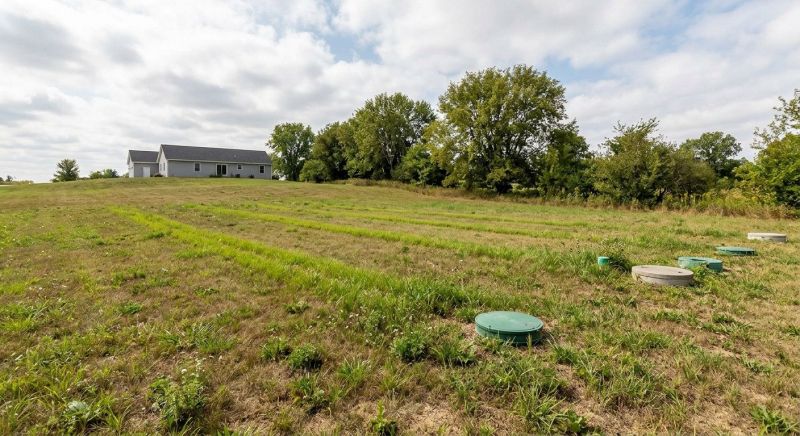
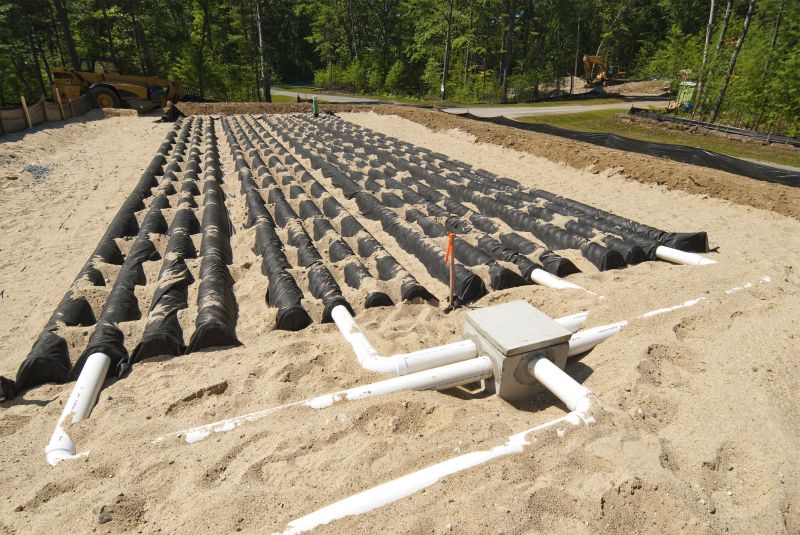
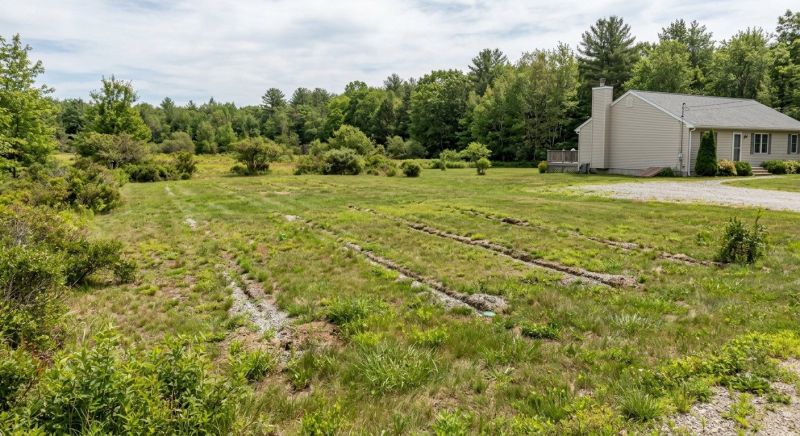
Sewage Field Installation Questions
What is sewage field installation? It involves setting up a drain field that safely disperses wastewater from a property into the ground.
When is a sewage field needed? A sewage field is required when a property lacks access to a municipal sewer system and needs a septic system.
What types of properties typically require sewage field installation? Residential homes, commercial buildings, and properties in areas without sewer connections often need this service.
What should property owners consider before installation? Site conditions, soil type, and property size are important factors for effective sewage field setup.
Request Sewage Field Installation in Denver, CO
Use the quote form on this page to share the basics of your project and request more information for the type of work you need.