Sewer Line Unblocking in Denver, CO
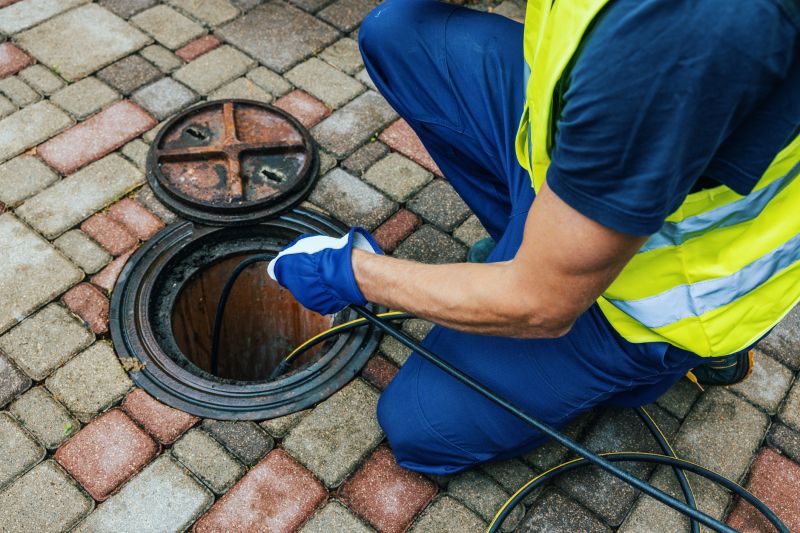
Sewer line unblocking services focus on removing blockages and obstructions that disrupt the flow of wastewater through a property's sewer system. These projects typically involve clearing clogs caused by debris, grease buildup, tree roots, or damaged pipes, ensuring that wastewater can drain properly from sinks, toilets, and other fixtures. Property owners usually seek this service when experiencing slow drains, foul odors, or backups in their plumbing system, aiming to restore normal function and prevent potential water damage or health hazards.
Before requesting sewer line unblocking, property owners should understand the location of the main sewer line, the history of previous issues, and whether any visible signs indicate a blockage. It’s also helpful to know if there are trees or landscaping near the sewer line, as roots can contribute to clogs. Having this information can assist in diagnosing the problem accurately and determining the most effective approach for clearing the sewer line.
Many property owners in Denver, CO look into Sewer Line Unblocking for repairs, replacements, upgrades, and appearance-related improvements.
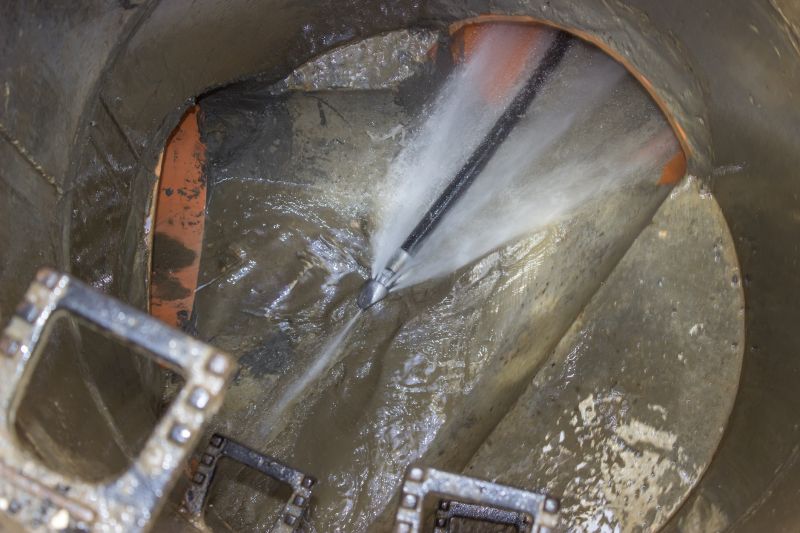
Common Causes Of Blockages
Blockages often result from grease buildup, foreign objects, or tree roots infiltrating sewer lines in denver properties.
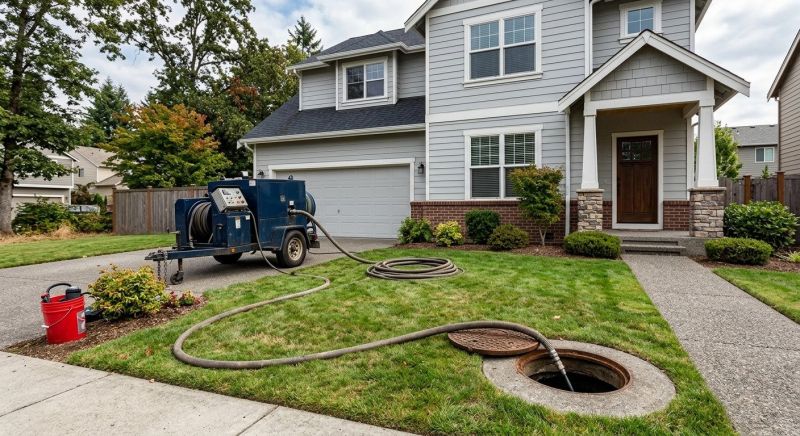
Signs Of A Sewer Line Clog
Slow drains, foul odors, and gurgling sounds are typical indicators of sewer line issues in homes and businesses.
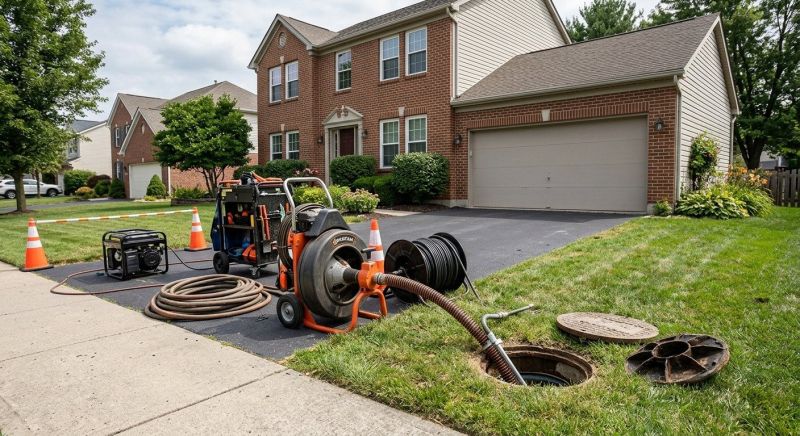
Unblocking Techniques
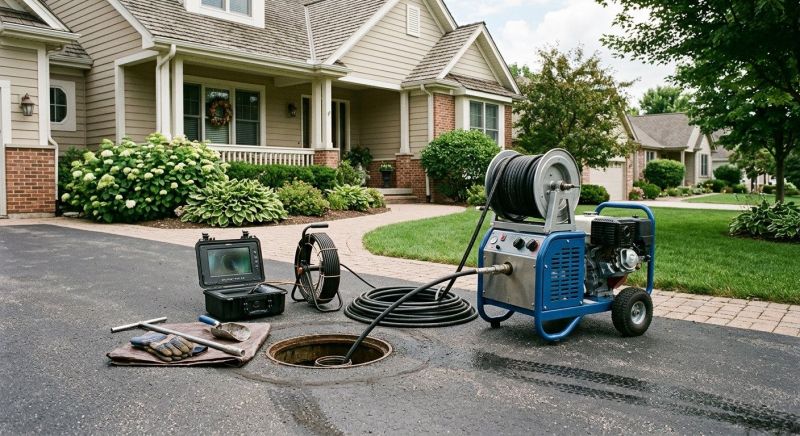
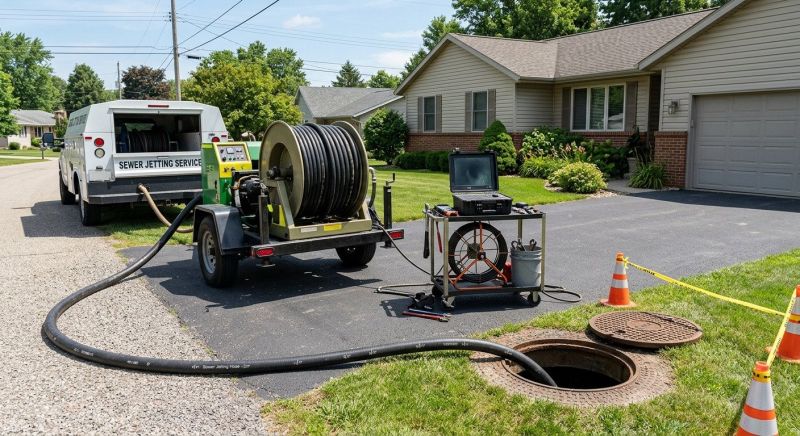
Hydro jetting and drain snaking are effective methods for clearing obstructions and restoring proper flow in sewer systems.
Sewer Line Unblocking in Denver, CO

Sewer line unblocking services focus on removing blockages and obstructions that disrupt the flow of wastewater through a property's sewer system. These projects typically involve clearing clogs caused by debris, grease buildup, tree roots, or damaged pipes, ensuring that wastewater can drain properly from sinks, toilets, and other fixtures. Property owners usually seek this service when experiencing slow drains, foul odors, or backups in their plumbing system, aiming to restore normal function and prevent potential water damage or health hazards.
Before requesting sewer line unblocking, property owners should understand the location of the main sewer line, the history of previous issues, and whether any visible signs indicate a blockage. It’s also helpful to know if there are trees or landscaping near the sewer line, as roots can contribute to clogs. Having this information can assist in diagnosing the problem accurately and determining the most effective approach for clearing the sewer line.
Many property owners in Denver, CO look into Sewer Line Unblocking for repairs, replacements, upgrades, and appearance-related improvements.
Common Sewer Line Unblocking Jobs
Sewer Line Unblocking - clearing blockages to restore proper wastewater flow.
Drain Clearing - removing clogs caused by debris, grease, or tree roots.
Pipe Inspection - using cameras to identify the cause and location of blockages.
Emergency Unblocking - addressing urgent drain issues to prevent property damage.
Preventative Maintenance - reducing future blockages with routine inspections and cleaning.
Root Removal - extracting invasive tree roots that can obstruct sewer lines.
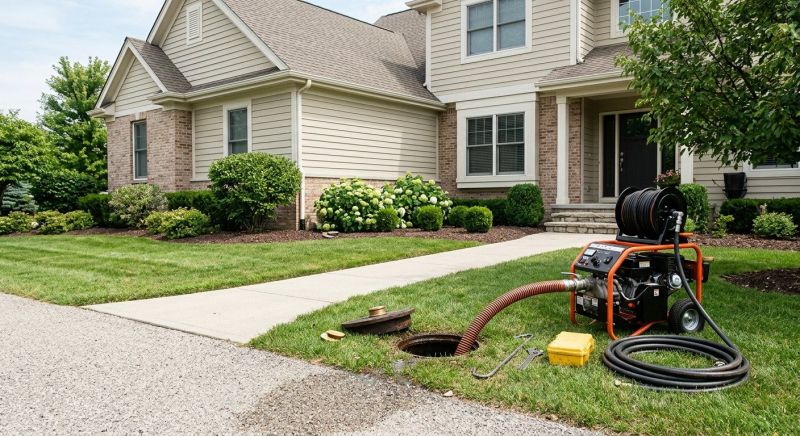
Sewer Line Unblocking Questions
What causes sewer lines to become blocked? Common causes include grease buildup, foreign objects, tree root intrusion, and accumulated debris in the pipes.
How can I tell if my sewer line is blocked? Signs include slow draining sinks, gurgling sounds, foul odors, or sewage backups in fixtures.
Are there different methods for unblocking sewer lines? Yes, methods may include hydro jetting, snaking, or camera inspection to identify and clear blockages.
What should property owners do before unblocking a sewer line? Avoid using plumbing fixtures to prevent worsening the blockage and contact a professional for assessment.
Request Sewer Line Unblocking in Denver, CO
Use the quote form on this page to share the basics of your project and request more information for the type of work you need.